
NEUROARCHITECTURE: HOW THE DESIGN OF SPACES IMPACTS HUMAN BEHAVIOR
Neuroarchitecture is an interdisciplinary field that combines neuroscience principles with architectural design to create environments that promote well-being, productivity, and mental health. By understanding how the brain responds to environmental stimuli, it is possible to design spaces that positively influence human behavior.
THE INFLUENCE OF ENVIRONMENTAL ELEMENTS ON THE BRAIN
Scientific studies show that aspects such as light, color, texture, shape, and layout of spaces directly affect people's emotional and cognitive states. For example, well-lit environments with soft colors can reduce stress levels and increase the feeling of comfort.
Furthermore, the arrangement of furniture and the organization of space influence circulation and social interaction, impacting the productivity and well-being of occupants.
PRACTICAL APPLICATIONS OF NEUROARCHITECTURE
Neuroarchitecture has been applied in various contexts, including:
· Healthcare Environments: Hospitals and clinics designed to be welcoming, generate calm, and promote recovery find the Giardino pattern to be the ideal choice. Its soft green hue evokes a garden within internal spaces, reinforcing feelings of tranquility and well-being. By harmonizing with neutral tones, it contributes to environments that convey balance and serenity, essential in healthcare spaces.
· Educational Spaces: Schools and universities that stimulate learning, concentration, and creativity can benefit from the authenticity of the Luanda pattern, from the Matiz Line. Inspired by global trends, the terracotta presents itself in a soft and welcoming finish, creating environments that encourage dialogue and exchange. This warm atmosphere values authentic choices and brings educational spaces closer to human experience, making them more inspiring.
· Corporate Environments: Modern offices seeking productivity and well-being connect with the natural essence of the Avellano pattern, from the Essenziale line. Inspired by the noble hazelnut shell shade, it combines an elegant color match that translates nuances of wood grain. The result is timeless, expressive, and integrated corporate furniture and environments, capable of reducing stress and strengthening connections in daily professional life.

GET INSPIRED
· Salk Institute (California, USA): Designed by Louis Kahn, this research institute combines modern architecture with natural elements, creating an environment that stimulates creativity and focus.
· Azulik Tulum (Mexico): An interdisciplinary center that integrates organic architecture with nature, providing a unique sensory experience for visitors.
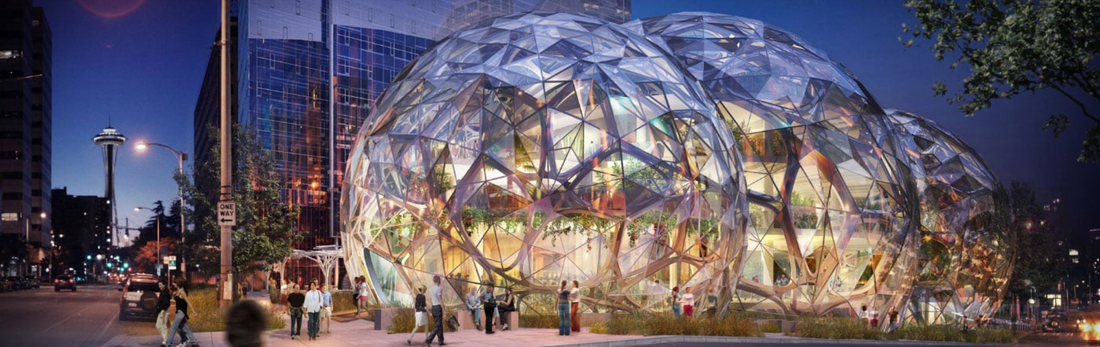
· Amazon Spheres (Seattle, USA): Glass spheres that house an indoor forest, offering employees an immersive and relaxing work environment.

Azulik Tulum (Source: https://www.azulik.com/tulum)
THE FUTURE OF NEUROARCHITECTURE
As technology advances, tools such as virtual reality, artificial intelligence, and environmental sensors are being used to simulate and test different spatial configurations. This allows for the creation of even more personalized environments, capable of responding to users' habits and needs in real time.
Furthermore, the integration of natural elements and intelligent sensory solutions is expected to intensify, with spaces that adjust lighting, sound, temperature, and even aromas to promote comfort and productivity. The future of neuroarchitecture also points to a more inclusive and accessible experience, where each space is designed considering the physical, emotional, and cognitive well-being of all occupants.
In summary, neuroarchitecture not only transforms spaces but redefines how we live, work, and interact with the environment around us, paving the way for architecture that is intelligent, sensitive, and profoundly human.